
Sometimes everything begins very simply. A person sits at home in the evening, opens a map — on a phone, a computer, or an old paper atlas — and suddenly realizes that they are not looking at it as a picture of countries and borders. They are looking at it as a possibility. The lines of the roads begin to look less like infrastructure and more like invitations. And somewhere in that moment a quiet but persistent thought appears: what is beyond the horizon?
Philosophers noticed this type of person long ago. In European philosophical thought there is even a special expression — Homo Viator, meaning “the human being on a journey.” It describes a person for whom movement, exploration and discovery become part of their inner nature.
Homo Viator is not a profession and not a status. It is rather a way of looking at the world.
When the road becomes part of a person


If we look at the history of humanity, we can notice an interesting pattern: in almost every era there were people who traveled farther than everyone else.
They were often considered strange. Sometimes even reckless. Yet it was precisely because of them that the world gradually became larger.
Some travelled for trade, others for knowledge, and some simply out of human curiosity. But almost all of them shared one common trait — they felt an inner pull of the road.
This feeling is difficult to describe. It resembles a quiet restlessness. A person may feel comfortable at home, yet at the same time sense that there is something more beyond the horizon.
And one day they decide to find out.
Why people feel the urge to travel

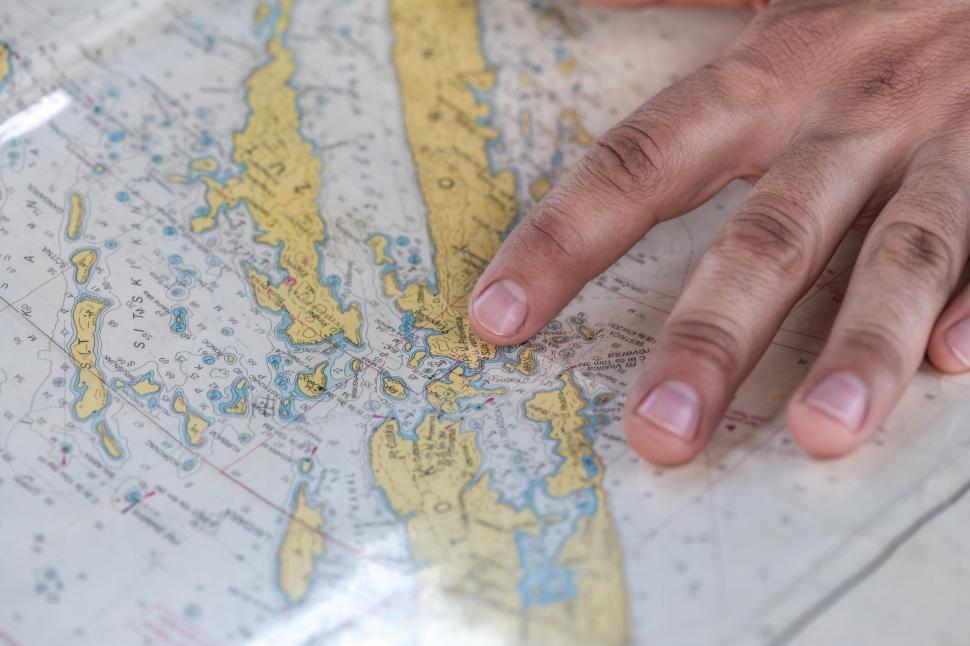

Psychologists believe that the desire to travel is connected with one of the fundamental characteristics of the human brain — the attraction to novelty.
New places awaken curiosity. An unfamiliar environment forces the brain to work differently. People begin to observe, compare and ask questions.
This is why traveling almost always changes our perspective on familiar things.
When a person lives in one place for a long time, the world begins to seem predictable and understandable. But once they arrive in another country — or even another region — it suddenly becomes clear that people can live in very different ways. They have different traditions, different rhythms of life and different perspectives on everyday matters.
At that moment a surprising effect occurs: travel becomes a mirror. Through other cultures we begin to see our own culture more clearly.
Travel as a way to understand oneself




There is another aspect of the road that rarely appears in travel brochures.
Travel creates space for reflection.
In everyday life people are surrounded by many roles — work responsibilities, schedules, obligations and routines. Within this rhythm there is often little time to pause and simply think.
The road changes that rhythm.
During long journeys there are hours when nothing particularly happens. The vehicle moves forward, the landscape changes, and gradually thoughts become calmer and clearer. In these moments people begin to ask themselves questions that had long been postponed.
Sometimes these questions are very simple.
What do I truly enjoy?
Where do I want to go next in life?
What actually matters to me?
And sometimes it is precisely on the road that a person makes decisions that later shape their life.
The modern Homo Viator


In the modern world a special kind of traveler has appeared — people who choose the road not only as a holiday but as a lifestyle.
Caravanners.
They have a home, but it is not tied to one fixed place. Today it may stand by the sea, tomorrow beside a forest lake, and next week somewhere in the mountains.
Interestingly, many people who begin traveling by camper or caravan start to perceive space differently. Distances no longer feel so large. The map becomes not a collection of borders but a network of roads waiting to be explored.
It is here that the idea of Homo Viator becomes especially clear. A person begins to realize that home is not only a place. It is also a state of mind.
How to recognize Homo Viator within yourself


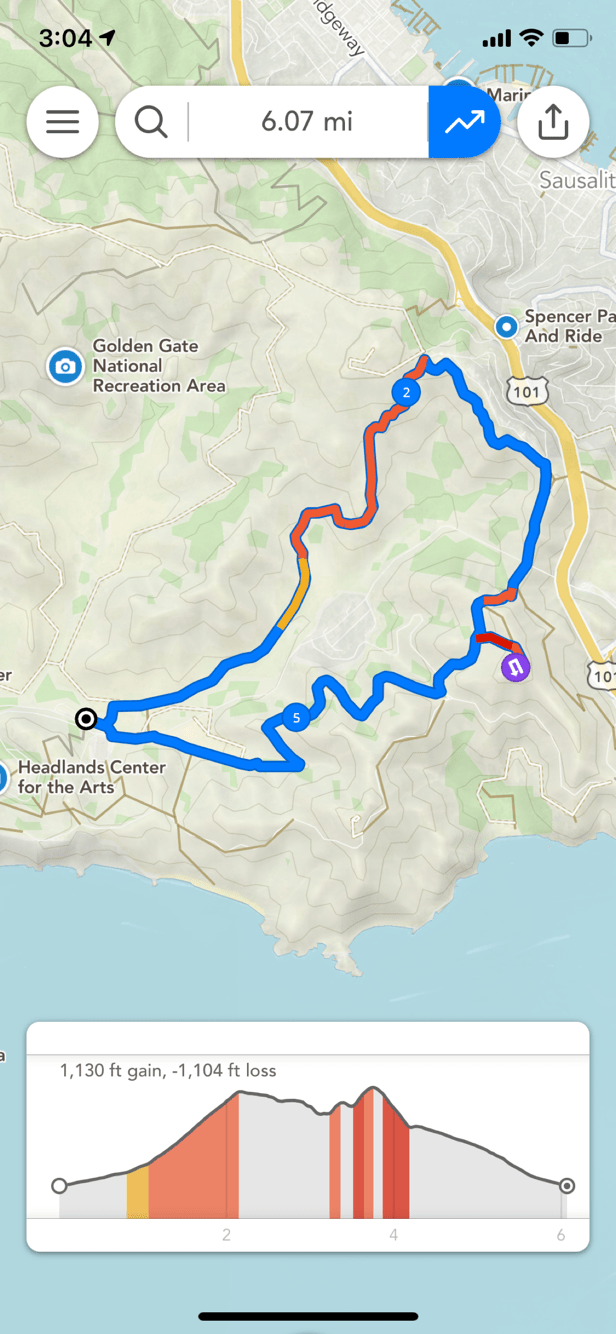
There are several simple signs often found in people who feel a connection with the road.
They enjoy looking at maps even when they are not planning a trip.
They can become curious about a small town they have never heard of before.
They enjoy the process of traveling itself — the movement, the changing landscapes and the sense of being on a journey.
And perhaps the most telling sign: once they return from a trip, they soon begin thinking about the next one.
This does not mean they do not love their home.
It simply means that their world is a little larger.
The road as part of human nature

Homo Viator is not merely a romantic idea or the hero of an adventure story. It is one of the natural expressions of human character.
Some people build houses, cities and stable communities. Others travel farther, explore new places and bring back new ideas.
These two types of people have always existed side by side. And perhaps it is precisely this balance that allows humanity to move forward.
Sometimes the road leads a person to new countries.
Sometimes it leads them to new people.
And sometimes — perhaps the most interesting outcome of all — it leads a person back to themselves.